

An Amazing 2025 Dataverse Community Meeting


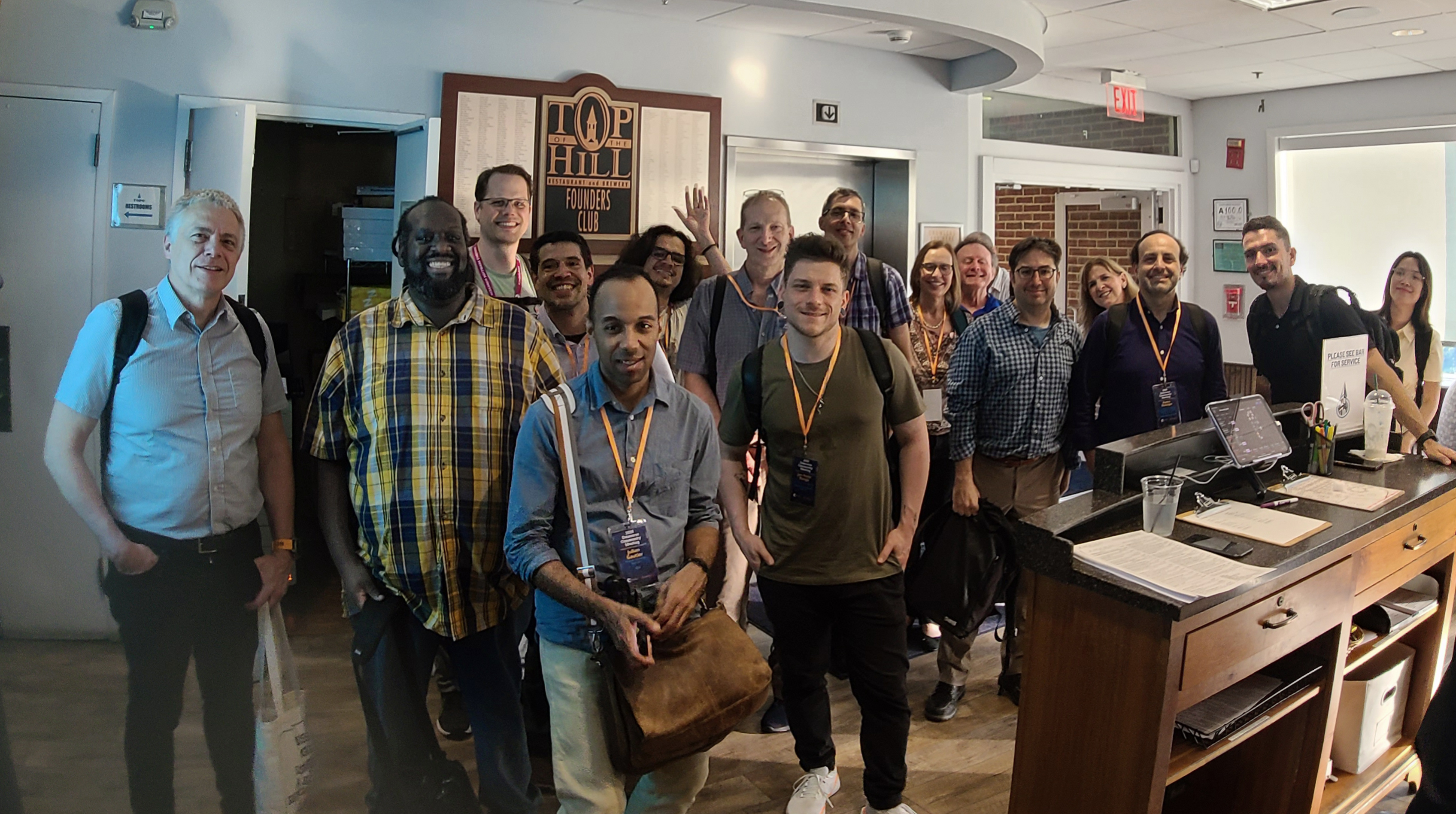
The IQSS Dataverse Core team just got back from the 2025 Dataverse Community Meeting, hosted by the University of North Carolina at Chapel Hill. This year’s event marked the culmination of two and a half years of intensive development, leading to several major milestones for the Dataverse Project.
Key highlights include:
- A new React-based frontend (soon available in product this July);
- The launch of Dataverse Hub and Dataverse Marketplace;
- Significant advancements in AI readiness including full support for the Model Context Protocol (MCP) and Croissant-ML metadata schema. This year Dataverse have been selected among one of the data repository for the NeurIPS25 conference, the most important AI conference of the year;
- AutoSage, an AI Metadata helper, based on open source large language models fully trained at IQSS on the whole Harvard Dataverse data, as well the (soon to come) Dataverse Knowledge Graph
- A powerful External Search Tool that uses natural language queries to interrogate the Dataverse repository in parallel with the traditional search based on keywords and facets;
- The new integration with high performance computing infrastructures, like our internal FAS-RC cluster, via a dedicated tool called LOOP that connects OpenOnDemand and Dataverse seamlessly (a collaboration between Dataverse and HPC teams at IQSS);
- The new Large Data Support services deployed at scale, and much more.
The Dataverse community continues to expand and thrive, with the number of installations worldwide growing from 70 in 2022 to over 135 today. The meeting showcased an inspiring range of contributions from institutions and developers across the globe.
Our thanks to the University of North Carolina for hosting this energizing and forward-looking event, our Dataverse Development and Curation teams for their accomplishments and the whole Dataverse Community.
Learn more at the Dataverse 2025 website and soon on DataverseTV.
The Dataverse Project was founded by IQSS Director Gary King in 2006. Its software platform provides a preservation and archival infrastructure, and allows researchers to share, keep control of, and gain recognition for their data through an easy to access web browser interface. For more information about the Dataverse Project, visit dataverse.org
You can stay up to date on Dataverse news by following the Dataverse Blog.


